
So, you finally made the switch. You ditched the heavy metals, said goodbye to aluminum, and embraced the world of natural living. 🌿 But then… it happened. By 2:00 PM, you started smelling like a gym locker room. 🏃♂️💨
Don't panic! As a chemist who lives and breathes formulation, I’m here to tell you that your body isn't "broken." You just need to understand the science of the stink. 🧪 Most people give up on natural deodorant right before the magic happens.
If you feel like your natural stick is failing you, it’s likely due to one of these ten common culprits. Let’s dive into why your pits are protesting and exactly how to fix it! 🛠️✨
1. You Skipped the "Armpit Detox" Phase 🛡️
When you use conventional antiperspirants, you are literally plugging your sweat glands with aluminum salts. Your body has been suppressed for years! Once you stop, your pores finally open up, and they have a lot of "catching up" to do.
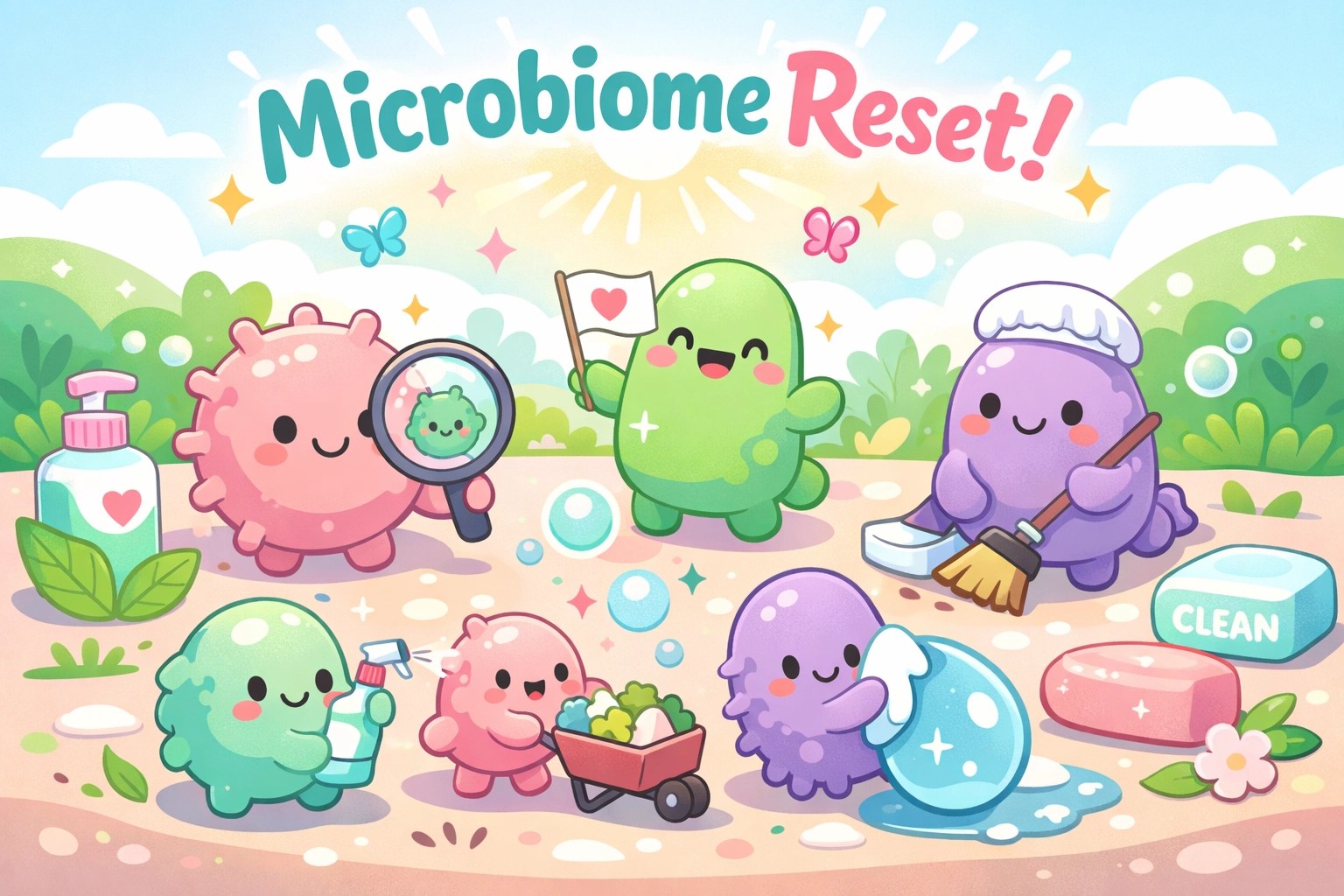
- The Science: Your skin microbiome is resetting. During this 2-4 week transition, you might sweat more and smell worse as your body flushes out trapped bacteria and product residue. 🧬
- The Fix: Be patient! Give your body at least 30 days to recalibrate. You might need to wash your underarms twice a day during this "purge" period.
2. Your pH Balance is Out of Whack (The Baking Soda Trap) ⚖️
Many natural brands rely heavily on Baking Soda (Sodium Bicarbonate) to kill odor. While effective, baking soda is highly alkaline (pH of about 9), while your skin is naturally acidic (pH of about 5.5). 📉
- The Problem: This pH mismatch causes "The Rash." It irritates the skin barrier, leading to redness, itching, and eventually, more odor because damaged skin breeds bad bacteria. 🚫
- The Fix: Look for formulas that use Magnesium or Bentonite Clay instead. These minerals neutralize odor without destroying your skin’s acid mantle.

3. There is a Biofilm Buildup on Your Skin 🧼
Standard soap and water often aren't enough to remove the waxy buildup of old deodorant and natural body oils. This creates a "biofilm": a thin layer where bacteria hide and thrive. 🦠
- The Chemist's View: If you don't strip away this layer, you're just layering fresh deodorant over old bacteria. It’s like putting perfume on a dumpster! 🗑️
- The Fix: Use a dedicated underarm scrub or a wash containing charcoal or apple cider vinegar once a week to deeply cleanse the area.
4. You’re Wearing Too Much Synthetic Fabric 👕
If you’re wearing 100% polyester or nylon, your natural deodorant doesn't stand a chance. Synthetic fabrics trap heat and moisture, creating a literal petri dish under your arms. 🧫
- The Culprit: Unlike cotton or wool, synthetic fibers don't breathe. They hold onto odor molecules even after they've been through the wash! 🧺
- The Fix: Stick to natural fibers like cotton, silk, linen, or merino wool. These allow moisture to evaporate, helping your deodorant do its job.
🌿 Comparison: Natural vs. Chemical Deodorants
| Feature | Conventional Antiperspirant | Premium Natural Deodorant |
|---|---|---|
| Main Ingredient | Aluminum Salts (Pore Blockers) | Clays, Powders, Essential Oils |
| Skin Health | Can cause clogged pores/irritation | Supports healthy skin microbiome |
| Toxin Removal | Blocks natural sweating/detox | Allows body to function naturally |
| Stain Risk | Yellow "pit stains" (Aluminum + Sweat) | Generally clear or white (Non-staining) |
| Best For | Extreme blockage | Active, healthy lifestyles |
5. Your Diet is Fueling the Funk 🍔
What you put in your body comes out through your pores. As a specialist, I can tell you that certain compounds are "volatile," meaning they turn into gas (odor) very easily. 🌬️
- The Triggers: Garlic, onions, excessive caffeine, and heavy alcohol consumption change the scent of your sweat. ☕🧄
- The Fix: Hydrate like your life depends on it! Drinking more water dilutes your sweat, making it less pungent. Also, try adding more leafy greens to your diet: chlorophyll is a natural internal deodorizer! 🥗
6. You Aren't Applying It Correctly 🤚
Natural deodorants aren't "swipe and go" like the gel sticks you used in high school. Because they contain waxes and clays, they need a little heat to work effectively.
- The Technique: Hold the stick against your skin for 5-10 seconds to warm it up. This allows the oils to melt slightly, ensuring an even, thin layer that actually adheres to your skin rather than just sitting on top. 🔥
- The Fix: Don't over-apply! Two or three gentle swipes are plenty. Piling it on leads to clumps and irritation.

7. Stress Sweat is a Different Beast 🤯
Did you know your body has two types of sweat glands? Eccrine glands produce watery sweat to cool you down. Apocrine glands (found in your pits) produce a thick, protein-rich sweat when you’re stressed. 📉
- The Science: Bacteria love apocrine sweat. They feast on those proteins and fats, producing a much stronger odor than "heat sweat."
- The Fix: If you have a big presentation or a stressful day, you might need a formula specifically designed for high activity. This is where high-performance brands shine! 🌟 Check out options at activedeodorants.com for formulas built to handle the pressure.
8. Your Skin Microbiome Has Shifted 🧬
Our bodies are constantly changing. Hormonal shifts (puberty, pregnancy, menopause), new medications, or even moving to a new climate can alter the types of bacteria living under your arms.
- The Shift: If your favorite natural stick suddenly stops working after a year, your microbiome likely changed.
- The Fix: It’s time to rotate your formula! Just like switching shampoos, trying a different active ingredient (like switching from a salt-based to a clay-based formula) can reset the balance. 🔄
9. You’re Not Washing Long Enough 🧼
Most people spend about 2 seconds scrubbing their armpits. That is not enough time to kill stubborn, odor-causing bacteria! 🧼
- The Expert Advice: To truly neutralize odor, you need to use an antibacterial soap and scrub for at least 20-30 seconds per side.
- The Fix: Use a washcloth or a loofah to provide physical exfoliation. This breaks up the "biofilm" we talked about earlier.

10. The Formula Doesn't Match Your Chemistry 🧪
Not all natural deodorants are created equal! Some use cornstarch (which can sometimes feed yeast), while others use Bentonite or Kaolin clay.
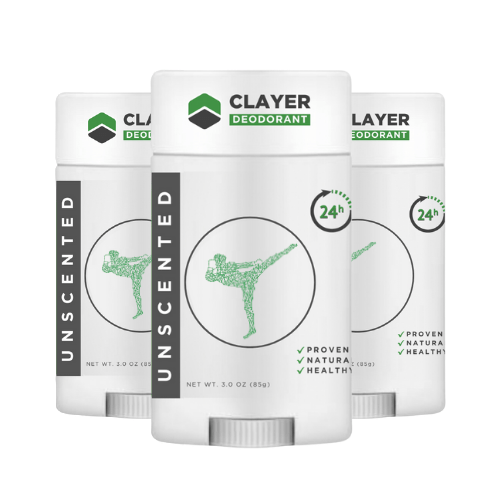
- Clayer vs. The World: Many standard natural brands use cheap fillers. High-quality options, like Clayer, utilize earth-based clays that physically pull toxins and moisture away from the skin without causing the irritation associated with baking soda. 🌍
- The Fix: If you have sensitive skin, avoid "fragrance" and look for essential oils or unscented versions.
🚀 The Ultimate "Fix It" Action Plan
If you're ready to make natural deodorant work for you once and for all, follow this Pro-Chemist Checklist:
- Deep Clean: Start tonight with an armpit mask (Bentonite clay + Apple Cider Vinegar). 🧴
- Switch Fabrics: Wear 100% cotton shirts for the next week. 👕
- Hydrate: Double your water intake to flush out those volatile compounds. 💧
- Warm It Up: Hold your deodorant stick to your skin for 10 seconds before swiping. 🔥
- Reapply: During the first 2 weeks, keep a travel-size stick in your bag and reapply at lunch! 🎒
Why Quality Matters 💎
As a specialist, I've analyzed hundreds of formulas. The "drugstore" natural brands often cut corners with cheap vegetable oils that go rancid quickly, actually contributing to the smell. 🤢
Choosing a brand like Clayer means you are getting a formula tested for 24-hour protection using minerals that support skin health rather than fighting against it. Whether you prefer Lavender, Fresh Mint, or Grapefruit, the goal is the same: Proven, Natural, and Healthy. 🌿💪
Final Verdict: Don't Give Up! 👊
Natural deodorant isn't a "set it and forget it" product like the chemical blocks of the past. It requires you to be in tune with your body. But the rewards? No aluminum in your bloodstream, no yellow stains on your white tees, and healthier skin. 🌈
You’ve got the science. You’ve got the fixes. Now go forth and be naturally fresh! 🚀✨
Leave a Reply